Popular Binding Types
Binding is an important part of making books, documents, and presentations. It keeps pages together and gives your project a polished look.
There are several binding methods to choose from, and each one offers different benefits. Picking the right binding can improve both the strength and appearance of your project.
Common binding types include wire-o binding, saddle stitch binding, perfect binding, and coil binding. Each option works best for different needs.
For example, wire-o binding is known for its strong hold and professional look. Saddle stitch binding is a budget-friendly choice that works well for smaller publications.
Learning about these binding methods can help you make a better choice. Whether you are a student, author, or office professional, choosing the right binding type matters.

Why Binding Matters: An Overview
Binding does more than hold pages together. It affects how your document looks and how it works. The right binding can turn a simple stack of pages into a finished product that feels complete.
Different projects call for different binding types. A business report may need a more polished finish, while a newsletter may need a fast and affordable option.
Binding also changes how easy a document is to use. Some methods, like wire-o binding, let pages lay flat. Others, like perfect binding, create a clean and smooth spine.
Here are a few reasons binding is important:
- It improves durability and ease of use
- It affects the overall appearance
- It helps define how the document functions
- It can be matched to the needs of the project
Choosing the right binding helps your document do its job well.
Binding can also support your brand. The right choice can match your company's image and leave a strong impression. Whether the project is corporate, personal, or creative, binding plays a key role.
Saddle Stitch Binding
Saddle stitch binding is a simple and affordable option. It is often used for booklets, magazines, and brochures. This method folds pages in half and staples them along the spine.
It works well for smaller publications and is a smart choice when cost matters. It is also a fast option for short print runs. Because it has page count limits, it is best for projects with fewer pages.
Even though it is budget-friendly, saddle stitch binding still gives a clean and professional look. It is not as durable as some other methods, so it is best for short-term use.
Here is what makes saddle stitch binding a popular choice:
- Affordable and quick to produce
- Great for small page counts
- Works well for programs and comic books
- Good for short-term projects
- Provides a neat finish
If you need a simple and effective binding option, saddle stitch binding is worth considering. It is a strong choice for newsletters and pamphlets.
Perfect Binding
Perfect binding is a common choice for paperback books and printed publications. It uses glue to attach the pages to the spine, creating a clean finish. This method gives projects a polished and professional look.
One benefit of perfect binding is that it works well for thicker books. It is often used for novels, catalogs, and business reports. However, it does not lay completely flat when opened, which may be a drawback for some projects.
Even though it is not the most durable option, perfect binding creates a sleek and refined appearance. It also works well for many sizes and page counts, which makes it a flexible choice.
Some key features of perfect binding include:
- Great for books and magazines
- Clean spine with no visible staples
- Works well for larger page counts
- Offers a polished and professional finish
- Available in many sizes
Perfect binding is a strong choice when you want a more sophisticated presentation. It works well for annual reports and softcover books that need to look sharp on a shelf.

Coil Binding (Spiral Binding)
Coil binding, also called spiral binding, is a very flexible option. It uses a plastic or metal coil that runs through holes in the pages. This allows the pages to turn all the way around, which makes it easy to use.
It is a great choice for books that get used often, such as manuals and cookbooks. People like how easy it is to turn the pages. It also lays flat when open, which is helpful for workbooks and instruction guides.
Another benefit is that coil binding can handle many different page counts. It also comes in different colors and sizes, so you can customize the look of your project. While it is practical, it may not look as polished as perfect binding.
Key features of coil binding include:
- Pages rotate 360 degrees for easy use
- Strong enough for frequent handling
- Lays flat when opened
- Available in several colors and sizes
- Works with a wide range of page counts
Choose coil binding when durability and function matter most. It is a practical choice for technical guides, workbooks, and other materials that need to be used often.
Wire-O Binding
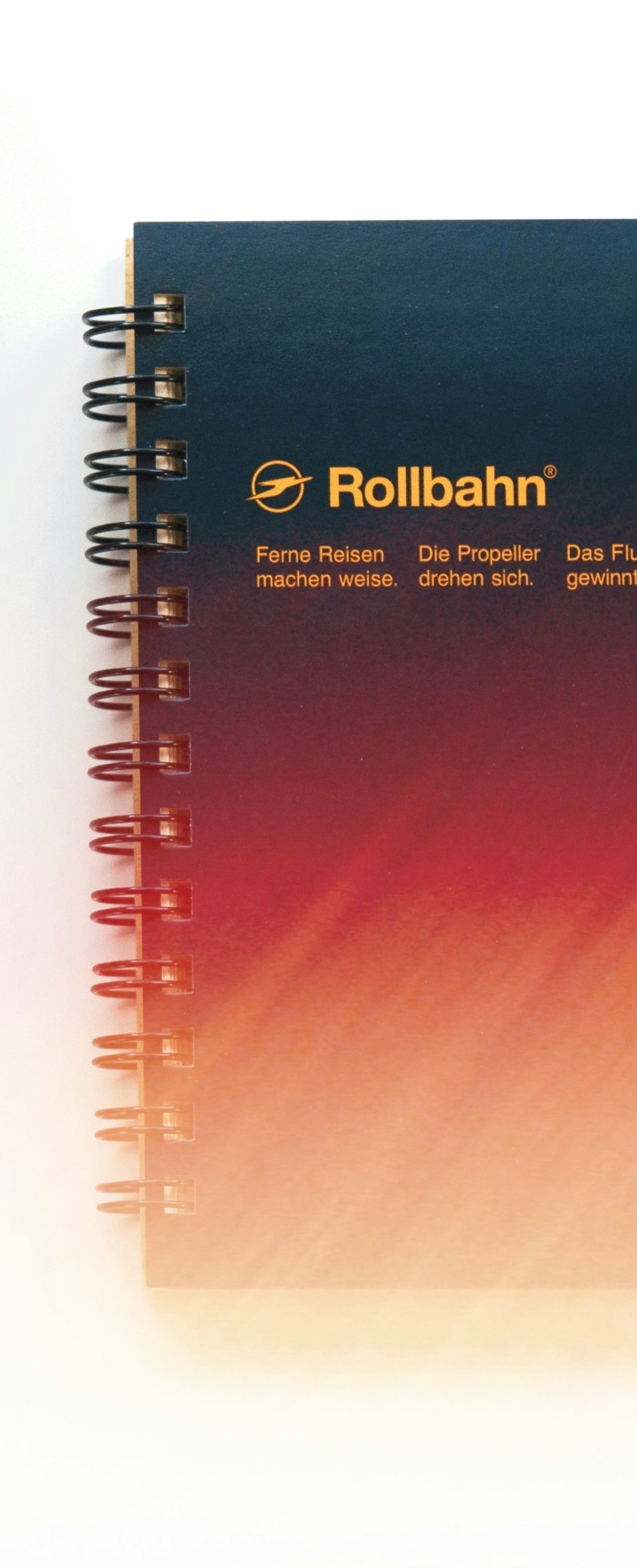
Wire-O binding is a premium option often used for professional presentations. It uses metal loops that go through punched holes in the pages. This gives the project a clean look and allows it to lay flat when opened.
This binding method is known for its strength, which makes it a good choice for notebooks and calendars. It also stays open without snapping shut, which is helpful for both readers and presenters. The full rotation adds to its ease of use.
Wire-O binding also looks elegant. It comes in different colors, so it can match your brand or project style. While it may cost more than other options, many people feel the polished finish is worth it.
Important points about Wire-O binding include:
- Provides a professional and durable finish
- Lays flat and can rotate fully
- Available in multiple colors
- Works well for premium documents and presentations
- Adds a refined touch
Wire-O binding is a strong choice when you want both style and function. It works well for corporate and creative projects alike.
Comparing Popular Binding Types: Pros and Cons
Choosing the right binding type means looking at the strengths and limits of each option. Every method has its own benefits, and those differences can affect how the final product looks and works.
Here is a quick comparison of popular binding methods:
- Saddle Stitch Binding: Affordable and great for short print runs. Limitation: not ideal for thick documents.
- Perfect Binding: Clean and professional looking. Limitation: less durable with heavy use.
- Coil Binding: Very flexible and allows full page rotation. Limitation: not as sleek as wire-o or perfect binding.
- Wire-O Binding: Durable with a premium finish. Limitation: usually costs more than other methods.
These points can help you match the binding style to your project. Page count, durability, and appearance all matter. The best choice is often the one that balances practical use with the look you want.
How to Choose the Right Binding Technique
Choosing the right binding method starts with thinking about how the document will be used. Is it a business presentation, a booklet, or a manual that will be handled often? Different projects need different solutions.
Here are a few key factors to consider:
- Page Count: Larger documents may need perfect or coil binding.
- Durability: Projects that get heavy use may benefit from spiral or wire-o binding.
- Budget: Saddle stitch is a cost-effective choice for shorter runs.
- Appearance: If the look matters most, wire-o and perfect binding offer a polished finish.
Think about your project goals before making a choice. A polished report may be best with perfect binding, while a technical manual may work better with coil binding. The right binding should match both the purpose and the impression you want to make.
Frequently Asked Questions About Book Binding
People often have questions when choosing a binding method. Here are answers to some of the most common ones.
What is the most durable binding?
Wire-O binding is known for its durability.
Which binding type is best for large volumes?
Perfect binding is a good choice for thick publications.
Can pages be added or removed easily?
Spiral binding makes editing easier.
These answers can help you choose a binding method that fits your project. Each option has its own strengths, so it helps to think carefully before deciding.
Selecting the Best Binding for Your Project
Choosing the right binding depends on your project's needs and the desired look. Each binding type offers unique benefits that cater to different requirements.
Think about the project's goal, number of pages, and required durability. This decision shapes your document's appearance and usability. By understanding popular binding types, you can ensure your final product is both functional and aesthetically pleasing, meeting your specific requirements effectively.
If you have a need for custom-printing, give Formax a call at 866-367-6221. We can professionally print, laminate and assemble your documents to your exact specifications.
Take care, Rick