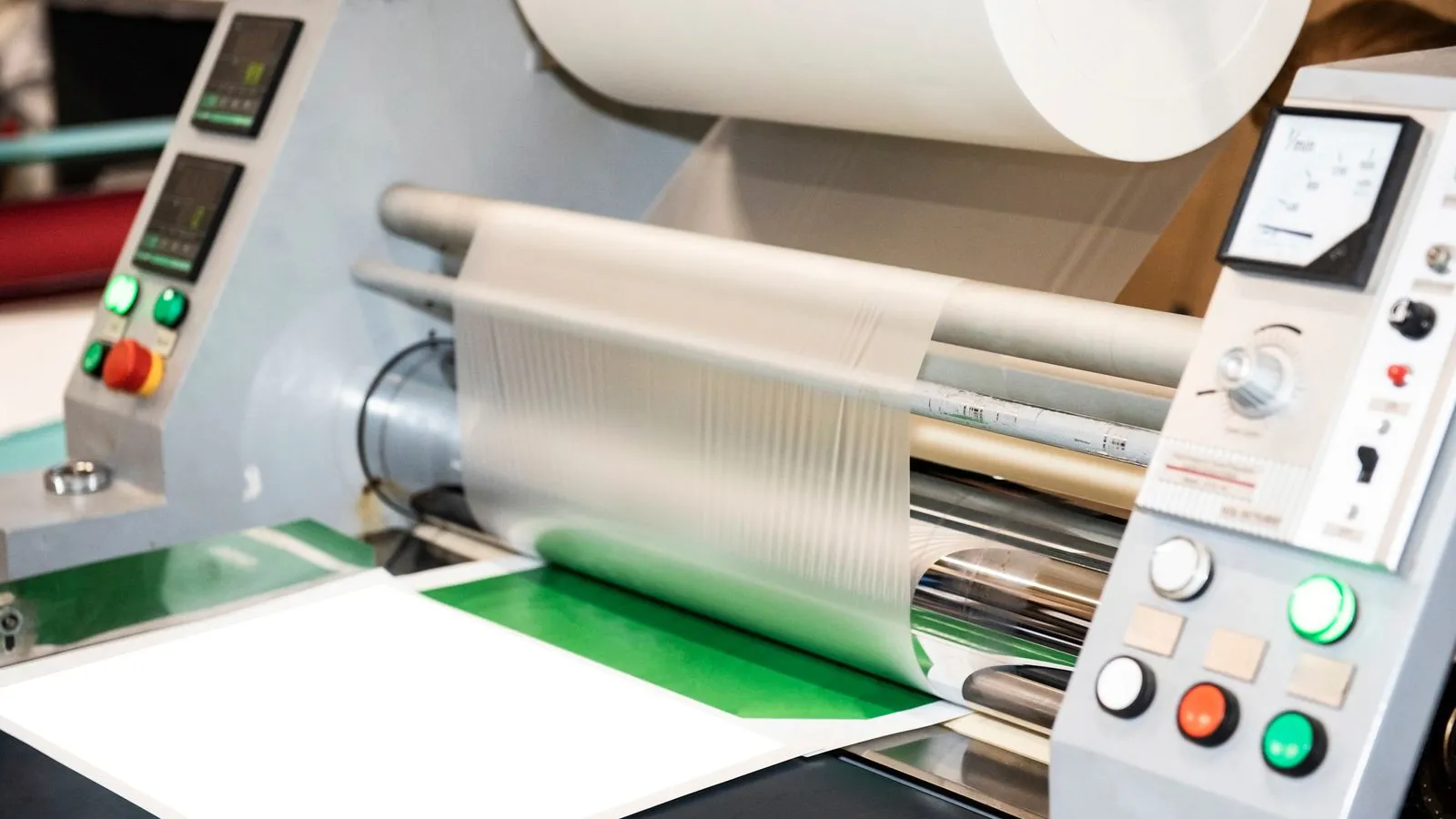
Laminated Thickness Guide
How to Choose the Right Thickness of Laminating Sheets for Your Project
Choosing the right thickness of laminating sheets is crucial for your project's success. It ensures your documents, photos, or crafts are well-protected and look professional.
With various thicknesses available, selecting the right one can be confusing. Each thickness serves different purposes and offers varying levels of protection.
This guide will help you understand laminating sheets thickness and make informed decisions for your specific needs. Let's explore the options and find the perfect fit for your project.
Understanding Laminating Sheets Thickness
Laminating sheets thickness is measured in mils. One mil equals one-thousandth of an inch. Sheets can range from 1.5 mil to 10 mil, each serving different purposes.
Thicker sheets offer more protection and rigidity. However, they may not be suitable for all projects, as they can make the item less flexible.
Here's a quick guide to understanding thickness options:
- 1.5 mil: Lightest, most flexible, ideal for temporary items.
- 3 mil: Flexible, easy to handle.
- 5 mil: Balanced, versatile use.
- 7 mil & 10 mil: Rigid, maximum protection.
Common Laminating Sheet Thicknesses and Their Uses
Different projects require varying levels of protection. Knowing which sheet thickness to use can ensure longevity and functionality for your laminated items.
3 mil sheets are popular for documents that need to be folded or handled often. They provide flexibility and are ideal for items like brochures or teaching materials.
For a blend of durability and flexibility, 5 mil sheets are a great choice. They work well for instructional materials or menus that get frequent use.
If your project demands the highest level of protection, opt for 7 mil or 10 mil sheets. These thicker sheets are perfect for ID cards or signs that endure frequent handling.
Here's a summary of common thicknesses and their applications:
- 3 mil: Flexible, for brochures.
- 5 mil: Durable, for menus.
- 7 mil & 10 mil: Rigid, for ID cards.
Factors to Consider When Choosing Thickness
Several factors influence the choice of laminating sheets thickness. Understanding these will help you make an informed decision for your project.
Firstly, consider the intended use of the laminated item. Will it be handled frequently, or exposed to harsh conditions like moisture or sunlight?
Next, assess the capacity of your laminating machine. Not all machines accommodate thicker sheets, so check your device specifications before proceeding.
Also, think about the clarity and finish you desire. Glossy finishes work well for photos, while matte may be better for text-heavy documents.
Here's a list to help guide your choice:
- Usage: Frequent handling requires thicker sheets.
- Equipment: Ensure laminator compatibility.
- Finish: Glossy for photos; matte for text.
- Environment: Exposure factors like moisture.
Tips for Selecting the Best Thickness for Your Project
Choosing the right laminating sheets thickness improves both appearance and durability. Here are some practical tips to help you decide.
Start by considering the project's value and how long it needs to last. For long-lasting protection, choose thicker sheets.
Evaluate the project's visibility needs. If you need to emphasize colors, a glossy finish can enhance vibrancy.
Here's a quick checklist for your convenience:
- Project Longevity: Thicker sheets for lasting protection.
- Visual Appeal: Glossy finish enhances color.
- Handling Needs: Balance between flexibility and rigidity.
Frequently Asked Questions About Laminating Sheets Thickness
Choosing the correct laminating sheets thickness can be confusing. Here are answers to some common queries to clarify your doubts.
Common Questions:
- What is a mil? It's a unit of measure for thickness, where 1 mil equals 0.001 inches.
- Can all laminators handle any thickness? No, always check your laminator's specifications to see what mil it supports.
- Does sheet thickness affect cost? Yes, thicker sheets tend to cost more due to enhanced durability.
Choosing the right thickness of laminating sheets is crucial for protecting your items effectively. Balance your needs between protection, flexibility, and cost.
Assess the specific requirements of your project to find the most suitable option for optimal results.